A website redesign makes sense if your site is slow, looks dated or no longer brings in enquiries. A redesign is more than a fresh coat of paint. It's a chance to get your copy, structure and technology right again, so visitors find what they need faster and get in touch.
But a redesign can also go wrong. Change everything without a plan and you can lose your place in Google overnight. In this article you'll read when it's time, how to approach it and what to watch out for.
When is it time for a website redesign?
There's no fixed timeframe. Still, there are clear signs that your site is due for replacement:
- The site works poorly on a phone, while most visitors arrive on mobile.
- Pages load slowly, or you don't pass the Core Web Vitals.
- You feel a little embarrassed giving the address to a customer.
- Your services or prices have changed, but the site still tells the old story.
- Making changes is difficult or expensive. You have to call your web developer for every bit of text.
- It runs on outdated plugins or software that no longer gets updates.
- You get few enquiries, even though you do get visitors.
Recognise two or more of these? Then it's worth taking a serious look at a new site.
Refresh or start from scratch?
Not every dated site needs to be replaced completely. Sometimes it's enough to rewrite the homepage, improve speed or build a better contact form. That's cheaper and faster.
Rebuilding from scratch makes more sense if the technology underneath is outdated, the design doesn't work on mobile, or you can no longer manage the site yourself. Otherwise you just keep stacking repair on repair. Unsure about the technology? Also read WordPress or a custom website.
A useful question to ask yourself: if you started again today, would you choose the same structure, the same system and the same copy? If the answer is no three times, a new website is usually the better investment. If it's mainly the look that bothers you, a targeted refresh may be enough.
A website redesign in six steps
- Measure: check Google Analytics and Google Search Console to see which pages attract lots of visitors and through which search terms. Those are pages you definitely don't want to lose.
- Set a goal: what should the new site deliver? More quote requests, more bookings, fewer phone calls with the same questions?
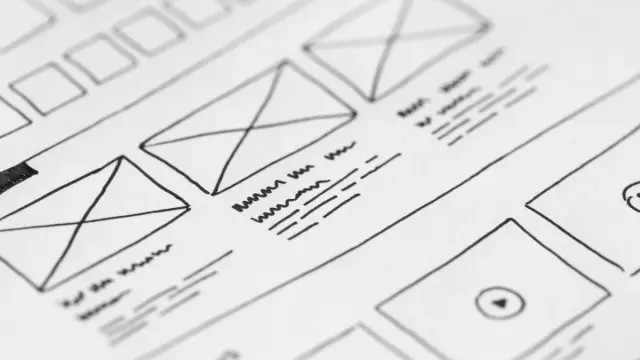
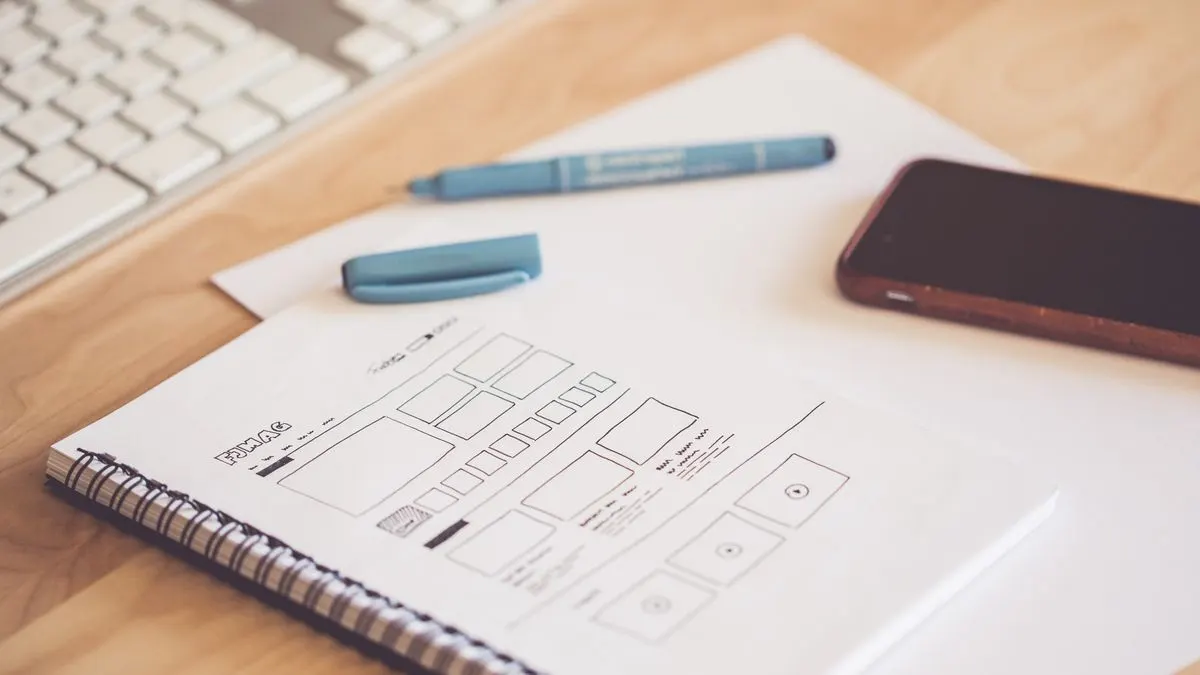
- Structure and copy: list all your pages. Which stay, which go, which do you merge? Rewrite copy around your customers' questions.
- Design: mobile first, then larger screens. Keep it calm and clear, with one main action per page.
- Build and test: test on different phones and browsers, check forms and measure speed.
- Go live and monitor: set up redirects, submit the new sitemap to Google and keep an eye on your numbers for the first few weeks.
Redesigning your website without losing your Google rankings
This is where it often goes wrong. If your pages get a new address and you don't sort anything out, all the old links point to an error page. Google then sees a site with lots of broken pages, and your rankings can drop sharply.
Here's how to prevent that:
- List all old URLs, especially those with visitors or links from other sites.
- Set up a 301 redirect from each old URL to the best matching new page. A 301 tells Google the page has moved permanently.
- Don't send everything to the homepage. Google treats that as a kind of error page.
- Carry over titles, meta descriptions and good copy from strong pages.
- After launch, check Search Console for errors or pages that can't be found.
An example. Your old page was called /services/bathroom-renovation.html and your new one is /bathroom-remodelling/. Without a redirect the old link is dead, in Google too, and in every review or listing that links to your site. With a 301 the visitor lands on the new page automatically, and Google carries over most of the old page's value.
A temporary dip in visitors after a migration is common. With good redirects it usually recovers within a few weeks. Without redirects it can take much longer.
What to look for in a new website
Use the redesign to get the basics right too. Things that should be almost standard by now:
- A design that works well on every screen. Read more about a responsive website.
- Speed: Google wants an LCP under 2.5 seconds, an INP under 200 milliseconds and a CLS under 0.1.
- Accessibility: good contrast, readable text and a site you can use with a keyboard.
- A CMS that lets you edit text and photos yourself.
- Clear buttons to contact, quote or booking.
- Privacy sorted: a privacy policy and a cookie banner if you use cookies that need consent.
Common website redesign mistakes
- Only looking at the design and leaving the copy as it was.
- Throwing away pages that rank well in Google because they're 'not pretty'.
- Not setting up redirects.
- Going live without testing on a real phone.
- Forgetting to set up Google Analytics and conversion tracking again, so you can't compare.
- Too many people having a say in the design, so the project stalls.
Most delays aren't in the build, but in the copy and photos. So start on those early. Appoint one person to make the final calls, and agree up front how many feedback rounds there will be.
Getting your website redesigned by Violexa
At Violexa we redesign websites with an eye for what already works. We start by looking at your current numbers and pages, and set up redirects during the switch, so you don't have to start over in Google. Take a look at our websites and apps service or examples of our work, such as the site for Rijschool Benz with a trial lesson request in 30 seconds and a student portal.
A new custom website starts at €1,799 excl. VAT (€2,177 incl. VAT). That includes design, development, a layout that works on every screen, the SEO basics, Google Analytics, a CMS and a walkthrough. Larger projects get a fixed price in writing up front.
Wondering whether a refresh is enough or a new site is smarter? Book a free quickscan. In 30 minutes, online or at your location, we look at your current site together. Afterwards you get short written advice with a price indication, with no obligation.
Frequently asked questions
How often should you redesign your website?
There's no fixed rule. Many businesses do it every few years, but it depends on the technology, the design and whether the site still brings in enquiries. If your site works poorly on mobile or is hard to update, it's often time.
Will I lose my Google rankings with a new website?
Not if you do it properly. Set up a 301 redirect from every old page to the new page and carry over strong copy. A short dip is possible, but it usually recovers quickly.
How much does a website redesign cost?
That depends on the size and what you need. At Violexa a custom website starts at €1,799 excl. VAT (€2,177 incl. VAT). For larger projects you get a fixed price up front.
How long does a website redesign take?
For a small business website, usually a few weeks. It mostly depends on how quickly copy and images are ready and how many feedback rounds are needed. Larger sites with integrations take longer.